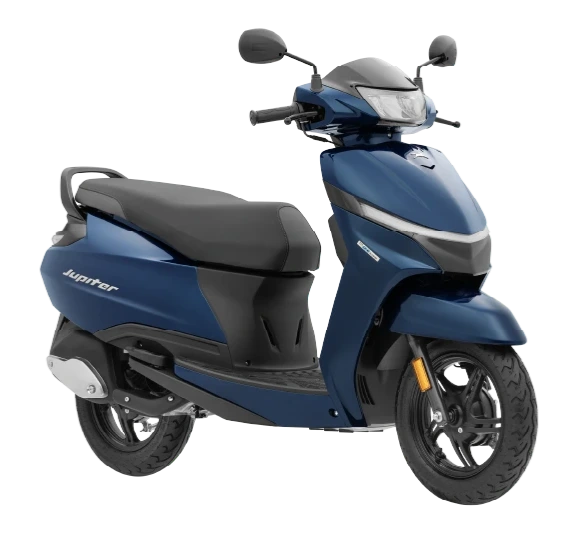
The TVS Jupiter 110 has one of those details buyers notice only after they start using the scooter every day: the boot feels genuinely usable. The reason is not magic. TVS moved the fuel tank under the floorboard, which opens up more under-seat space and also helps keep weight lower.
The fun packaging trick
On many older scooters, the fuel tank competed with luggage space under the seat. In the newer Jupiter layout, the tank sits below the floorboard and the fuel-filler moves to the front apron. That is how the scooter can offer a large 33-litre under-seat boot without becoming visually oversized.
Where BS6 fits in
BS6 made fuel-injection and sensors common across modern two-wheelers, but the bigger point for buyers is packaging freedom. Once a scooter is already designed around an electric fuel pump, sensors, wiring, and tighter emissions hardware, brands can rethink where the tank, filler, and storage volume should sit. TVS used that rethink to make Jupiter more practical.
Who should shortlist it
Jupiter is for buyers comparing Activa, Access, and family scooters. It works best when comfort, storage, grocery runs, school bags, office bags, and easy fuel filling matter more than aggressive styling.
BookMyBike view
This is exactly the kind of scooter detail that does not show up in a simple price comparison. Compare Jupiter and Activa back-to-back with your real bag or helmet. The better choice may come down to everyday packaging, not just engine size.